Best OpenClaw Alternative: Why Hermes Agent is the Superior AI Worker
# Best OpenClaw Alternative: Why Hermes Agent is the Superior AI Worker
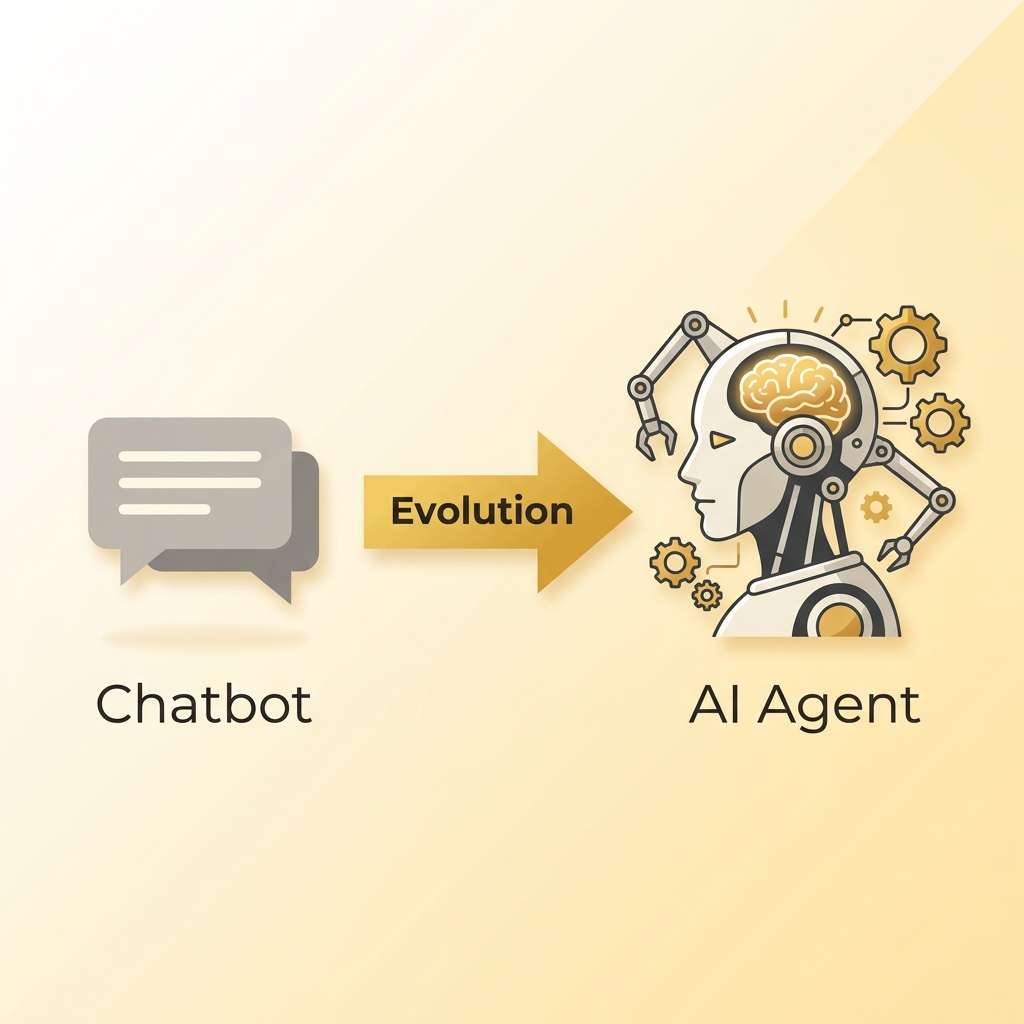
In the rapidly evolving landscape of AI automation and local LLM agent frameworks, choosing the right foundation for your autonomous workflows is critical. OpenClaw emerged as an early player, but as developers and indie hackers push the boundaries of what AI agents can do, its limitations in extensibility, local privacy, and complex orchestration have become apparent.
If you are looking to automate tasks with an AI agent that is robust, private, and highly customizable, this comprehensive guide will break down why Hermes Agent is the definitive OpenClaw alternative.
1. Local Setup & Privacy: Total Control Over Your Data
The OpenClaw Challenge: Vague Data Boundaries
For enterprise users and privacy-conscious developers, data sovereignty is paramount. OpenClaw often relies heavily on cloud-based APIs and external services, making it difficult to guarantee that sensitive source code, business documents, or personal data aren't being logged or used for training elsewhere.
The Hermes Advantage: A Fortified Local Environment
Hermes Agent is built from the ground up to be a true local LLM agent framework.
- 100% Local Execution: Seamlessly integrate with Ollama, LM Studio, or local vLLM instances. Your data, prompts, and the agent's thought processes never leave your machine unless you explicitly authorize it.
- Docker-First Architecture: Isolate your AI worker completely. Hermes provides optimized Docker configurations that ensure a secure, reproducible, and contained environment for your agents to operate in.
- Granular Permission Control: You dictate exactly what files, directories, and networks your Hermes Agent can access.
2. Workflow Automation Builder: Beyond Simple Chat
The OpenClaw Challenge: Reactive Instead of Proactive
OpenClaw often functions as a glorified chatbot—it waits for your command, executes a single action, and stops. Building complex, background-running pipelines or CI/CD integrations is cumbersome and often requires writing extensive custom glue code.
The Hermes Advantage: An Autonomous Engine
Hermes isn't just an assistant; it's an AI workflow automation builder.
- Cron-Driven Workflows: Schedule your AI worker. Tell Hermes to "scrape these 5 competitor websites every Monday at 3 AM, generate a market analysis report, and push it to Notion." It runs autonomously while you sleep.
- Event-Triggered Pipelines: Hermes can listen to webhooks, GitHub events, or file system changes, acting instantly as an automated employee in your pipeline.
- Advanced Context & Memory: Utilize robust RAG (Retrieval-Augmented Generation) and persistent memory systems to ensure your agent retains context across long-running tasks and multiple sessions.
3. Extensibility & Skills: A Thriving Open Ecosystem
The OpenClaw Challenge: The Walled Garden
Extending OpenClaw to integrate with new APIs or proprietary internal tools can be a frustrating experience due to its rigid plugin architecture and lack of comprehensive documentation for custom extensions.
The Hermes Advantage: MCP and Infinite Tool Calling
- Model Context Protocol (MCP) Native: Hermes embraces modern standards, allowing effortless integration with any tool or service that supports MCP.
- Python-Native Skill Creation: Write custom tools in pure Python with minimal boilerplate. If you can script it, Hermes can use it as a Skill.
- Community Skills Hub: Access a growing directory of pre-built integrations for Slack, Discord, GitHub, Jira, and more, ready to be hot-plugged into your agent's toolkit.
4. Team Integration & Orchestration: The Multi-Agent Swarm
The OpenClaw Challenge: The Bottleneck of a Single Agent
Tackling complex software engineering or marketing tasks with a single persona agent often leads to hallucinations or degraded output quality as the context window gets crowded.
The Hermes Advantage: Swarm Architecture
- True Multi-Agent Orchestration: Hermes natively supports defining distinct agent personas (e.g., 'Senior Developer', 'QA Tester', 'Product Manager') and orchestrating them to work together.
- Task Delegation: A master agent can break down a massive prompt into sub-tasks, delegate them to specialized worker agents, and synthesize the final result—mimicking a real human development team.
Comparison Summary
| Feature | OpenClaw | Hermes Agent |
|---|---|---|
| Privacy & Execution | Cloud-dependent, data risks | 100% Local, ultimate privacy |
| Workflow Automation | Reactive, manual triggers | Proactive, Cron & Event-driven |
| Extensibility | Rigid, limited plugins | Flexible, MCP Native, Python Skills |
| Orchestration | Single Agent limit | Native Multi-Agent Swarm support |
| Target Audience | Casual users | Developers, Indie Hackers, Enterprises |
Stop Chatting, Start Automating
If you are tired of wrestling with closed ecosystems and limited automation capabilities, it's time to upgrade your AI infrastructure. Hermes Agent provides the privacy, power, and flexibility required to build truly autonomous systems.
👉 🚀 Start the 7-Day Hermes Bootcamp and build your first autonomous AI worker today!